Science

Research

Gamma-ray Bursts

The most luminous explosions in the cosmos, powered by relativistic jets.

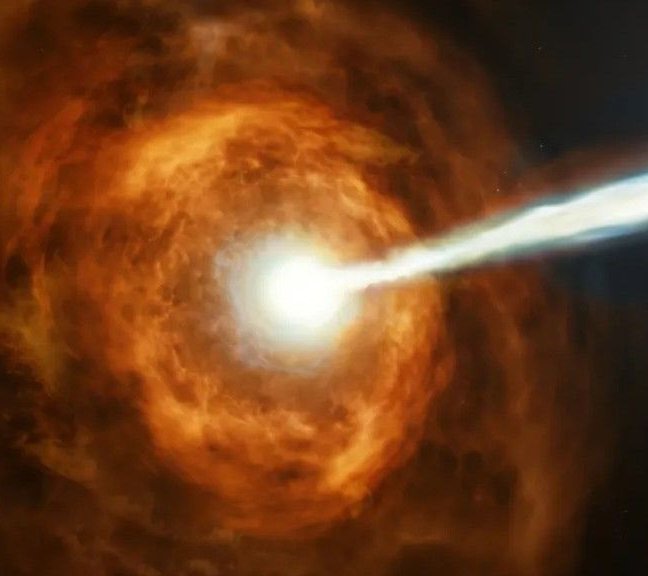
Gamma-ray bursts (GRBs) are the most luminous and energetic explosions in the cosmos, launched by extreme relativistic jets from collapsing massive stars or merging compact objects. We model both the prompt emission and the afterglow to learn about the central engine and the surrounding environment, and we analyse high-energy data from Fermi and VERITAS to address open questions on particle acceleration, jet composition, and the end stages of stellar evolution.
Kilonovae

Radioactive glow from neutron-star mergers, where the heaviest elements are forged.

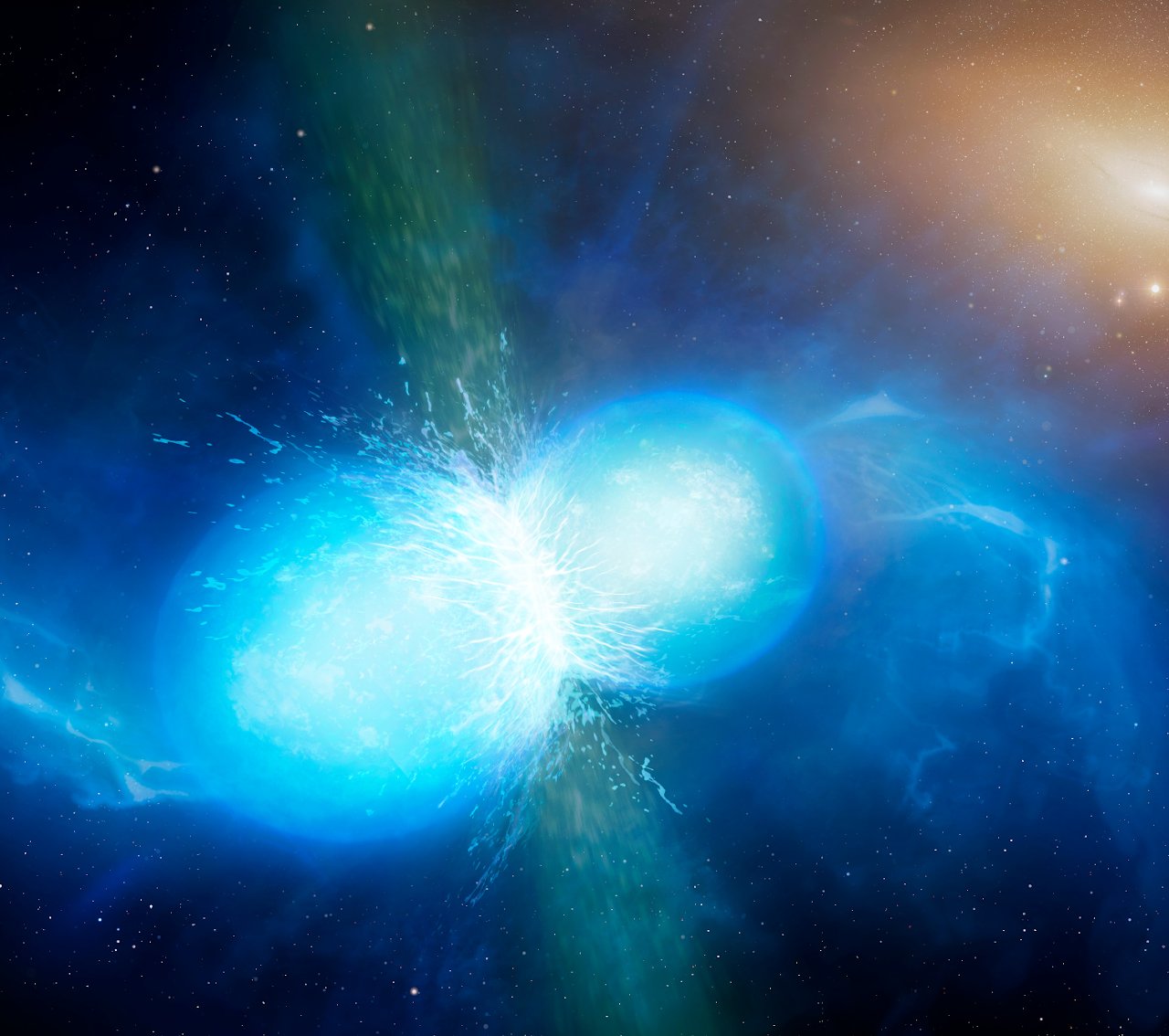
Kilonovae are the radioactively powered transients that follow neutron-star mergers. Combining multi-wavelength observations with gravitational-wave data, we study r-process nucleosynthesis — how elements such as gold and platinum are created — and use the combined multi-messenger picture to constrain the properties of dense nuclear matter.

Dark Matter

Using the high-energy sky as a laboratory for new physics.

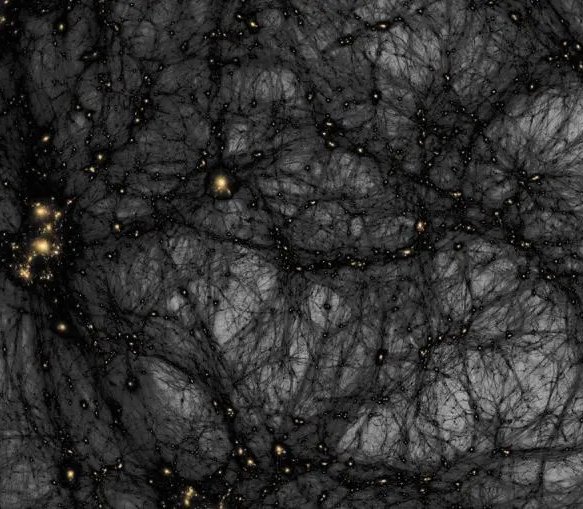
High-energy astrophysical events are natural laboratories for physics beyond the Standard Model. We search for anomalies in gamma-ray data that deviate from established astrophysical models — signatures that could point to dark-matter annihilation or decay — bridging observational astronomy and particle physics.